This post contains affiliate links. We may earn a commission if you make a purchase through these links, at no extra cost to you. As an Amazon Associate I earn from qualifying purchases.
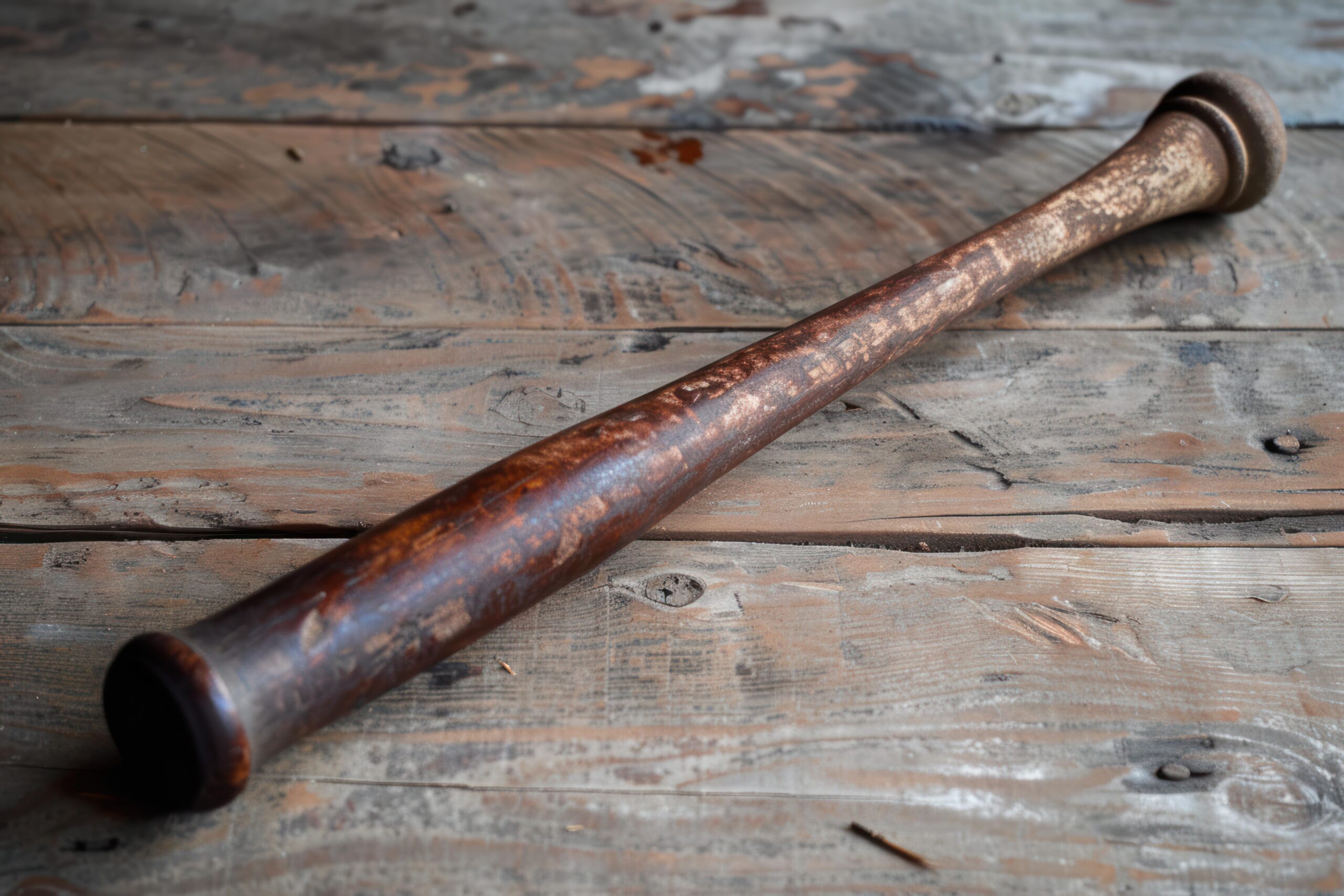
In the earliest days of baseball, the game was a contest of contact rather than power. Players didn’t walk into a sporting goods store to buy a calibrated, high-performance piece of equipment. They brought their own “clubs”—often repurposed, hand-carved hunks of wood designed more for durability and utility than for hitting home runs. As the sport grew, the tools evolved, leading to a fascinating transition in the “Wood Era” of baseball: the shift from the dense, heavy hickory to the flexible, reliable ash.
Understanding the history of hickory vs. ash baseball bats isn’t just about looking backward; it’s about understanding how the “feel” and “pop” of a bat influence the game today. For the informed enthusiast, it is a study of density, grain, and durability. For the beginner, it is the story of how our modern game found its rhythm.
The Early Days: The Reign of Hickory (Mid-to-Late 1800s)
In the 1850s, 1860s, and 1870s, baseball was characterized by “Deadball Era” play, even before that term was formally applied. The ball was less lively, and with underhand pitching early on, offense relied on placing the ball away from fielders.
Why Hickory Was King
Hickory was the premier choice during this period. It is an exceptionally dense, heavy, and hard wood, making it ideal for the “bring-your-own-bat” era, where durability was the priority over swing speed. Many early bats were crafted from broken wagon wheel spokes or furniture, which were often made of hickory.
- Durability: Hickory bats rarely needed to be replaced, which was essential for players on a budget.
- Density: The dense wood provided a “dead” feel, which actually helped with controlled, placed hits.
- The “Black Betsy” Example: Shoeless Joe Jackson’s legendary, massive 36-inch, 39-ounce bat was made of hickory.
However, the sheer weight of hickory became a liability as the game became faster. A 40-plus ounce bat required incredible strength and resulted in slower reaction times, which became problematic as pitching velocity increased.
The Rise of Ash: The “Golden Age” of Wood (1900–1990s)
By the early 1900s, and particularly with the advent of the Live Ball Era (roughly 1920 onwards), players needed more than just a durable club. They needed bat speed. As pitching improved and the baseball itself became more lively, batters sought bats that were lighter and allowed for a faster swing.
Why Ash Took Over
Northern White Ash became the industry standard for nearly 80 years because of its ideal strength-to-weight ratio.
- Flexibility: Ash is a “ring-porous” wood, meaning it has large pores and a visible grain. This allows the wood to flex, creating a “trampoline effect” that sends the ball flying upon impact.
- Lightweight: Ash is significantly lighter than hickory, allowing for faster swings and more power.
- Safety: When an ash bat breaks, it typically splits or splinters longitudinally (along the grain), rather than shattering into sharp, dangerous pieces like modern maple .
Legends like Babe Ruth, Ted Williams, and Joe DiMaggio all swung ash bats, cementing its place as the premier professional lumber for decades.
Comparing the Two: Hickory vs. Ash
For collectors and vintage players, understanding the technical differences between these two woods is key to appreciating their history.
| Feature | Hickory | Ash |
| Density | Very High (Heavy) | Medium/Low (Light) |
| Flex | Stiff | High (Provides “Whip”) |
| Durability | Extremely High | Moderate (Prone to flaking) |
| Primary Era | 1850s–1910s | 1910s–1990s |
| Feel | Solid, rigid | Flexible, responsive |
Hickory is better if you want a bat that will last a lifetime, but it will slow down your swing speed significantly. It is best used for slow-pitch or vintage base ball games.
Ash is better for high-velocity, modern pitching because it allows for faster bat speed and has a larger sweet spot due to its natural flexibility.
The Modern Transition and Future Trends
While ash dominated for a century, the late 1990s saw the rise of hard maple, and later, yellow birch. Maple, popularised by Barry Bonds, is denser and stiffer, offering more power but less forgiveness, and it lacks the flex of ash.
However, ash has not disappeared entirely, particularly in lower levels or for players who prefer the traditional “feel” and flex of a lighter bat. In fact, due to the Emerald Ash Borer infestation decimating ash forests, some bat manufacturers are exploring alternative, sustainable options that mimic the properties of old-school wood, thus keeping the discussion of historical durability versus modern performance ongoing.
For players looking to experience the history, using a premium ash bat, or a “bone-rubbed” ash bat (a technique to harden the wood used by legends like DiMaggio), offers a direct connection to the era when baseball truly became America’s pastime.